WWDC 2026: The AI-First Era for iOS Developers Has Arrived
Apple’s WWDC 2026 shifts iOS development to an AI-first platform: Core AI on-device models, updated Foundation Models, Xcode 27 agentic features, Device Hub, SwiftUI improvements, and stronger privacy controls.
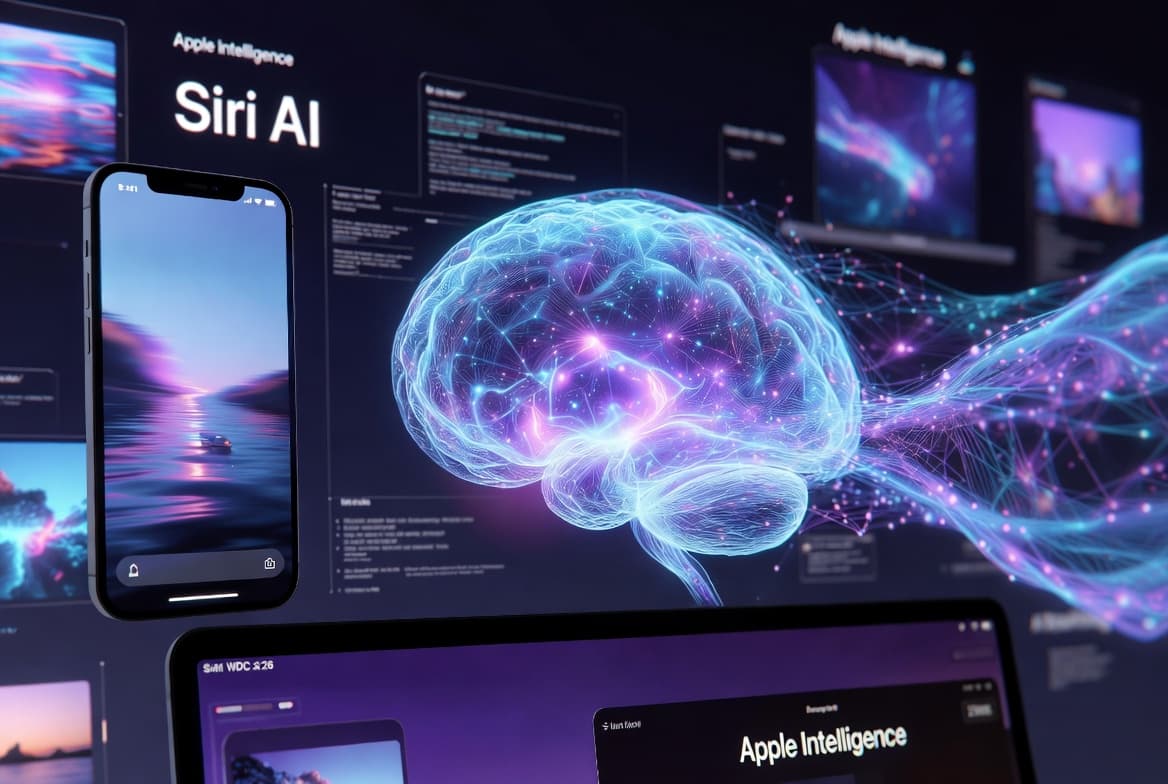
WWDC 2026: The AI-First Era for iOS Developers Has Arrived
If you’re an iOS developer, you probably felt it too—WWDC 2026 wasn’t just another update; it was a clear signal that Apple is ushering us into a whole new era. The buzz: AI everywhere. Apple shipped powerful on-device tools, a revamped Xcode, and refreshed frameworks that materially change how we build apps.
Below are the highlights every iOS developer should know, along with practical takeaways.
AI Everywhere
This year’s announcements are not surface-level. The most important change is Core AI — a new framework that enables running custom AI models directly on Apple devices, using Apple Silicon and GPU optimizations.
Why it matters:
- On-device performance: Lower latency and no server roundtrips.
- Cost and privacy: Reduced infrastructure costs and user data stays on-device.
- Practicality: Even complex models run well in beta on modern devices.
Foundation Models Framework — Major Upgrade
The Foundation Models framework was rebuilt (with Google/Gemini integration) and now supports multimodal inputs (text + images) and multi-provider workflows.
Key points:
- Mix on-device and cloud providers (Gemini, Anthropic, OpenAI) as needed.
- Multimodal capabilities let apps reason over text and images together.
App Intents + Siri AI
App Intents now plugs in to the new Siri/Apple Intelligence, enabling natural-language-driven app actions. Adopting the updated schemas makes apps voice-controllable with minimal changes.
Use cases:
- Voice-driven workflows and chained actions
- Natural language shortcuts that integrate with your app logic
Xcode 27: Agentic Coding
Xcode 27 introduces Agentic Coding — AI agents that help across the development lifecycle:
- Planning features
- Generating code (functions, components)
- Auto-generating & running tests
- Localizing/translating UI
- Analyzing crash logs and suggesting fixes
- Reviewing code with project-aware context
The Agent Client Protocol adds multi-provider support, so you aren't locked to a single model vendor.
Device Hub (Simulator + Devices)
Device Hub unifies simulators and physical devices with live resizing and hardware controls — smoother testing and fewer context switches.
Performance & SwiftUI Improvements
Notable upgrades:
- Faster project load times and iCloud-synced preferences
- Apple Silicon–only targets reduce app size (~30%)
- Xcode Cloud builds are faster
SwiftUI updates:
- Drag-to-reorder and swipe actions in any container
- Faster nested layout resizing
- Async image caching and improved toolbar controls
- Resizable iOS apps for better iPad/Mac adaptation
Design, App Store & Privacy
- Liquid Glass design polish and a new transparency slider
- App Store: richer headers (images/videos), device/language previews, centralized Asset Library, StoreKit 2 subscription groups
- Privacy: stronger parental controls, mandatory child accounts under 13, "Ask to Browse", daily app caps
What this means for us
The platform is shifting: AI is now a first-class capability. Practical implications:
- Start evaluating on-device Core AI for user-facing features
- Decide mix of on-device vs cloud models based on latency, cost, and privacy
- Update minimum OS/Xcode targets and CI to Xcode 27 for Agentic features
Final thoughts
This isn't about replacing developers — it's about augmenting them. Xcode is becoming a smarter partner that handles repetitive work so developers can focus on creativity.
What would you like me to do next? I can:
- Add a short excerpt and featured image for the post
- Tidy prose for tone/reading flow
- Create a small excerpt/summary for social sharing
Share this article
Related Articles
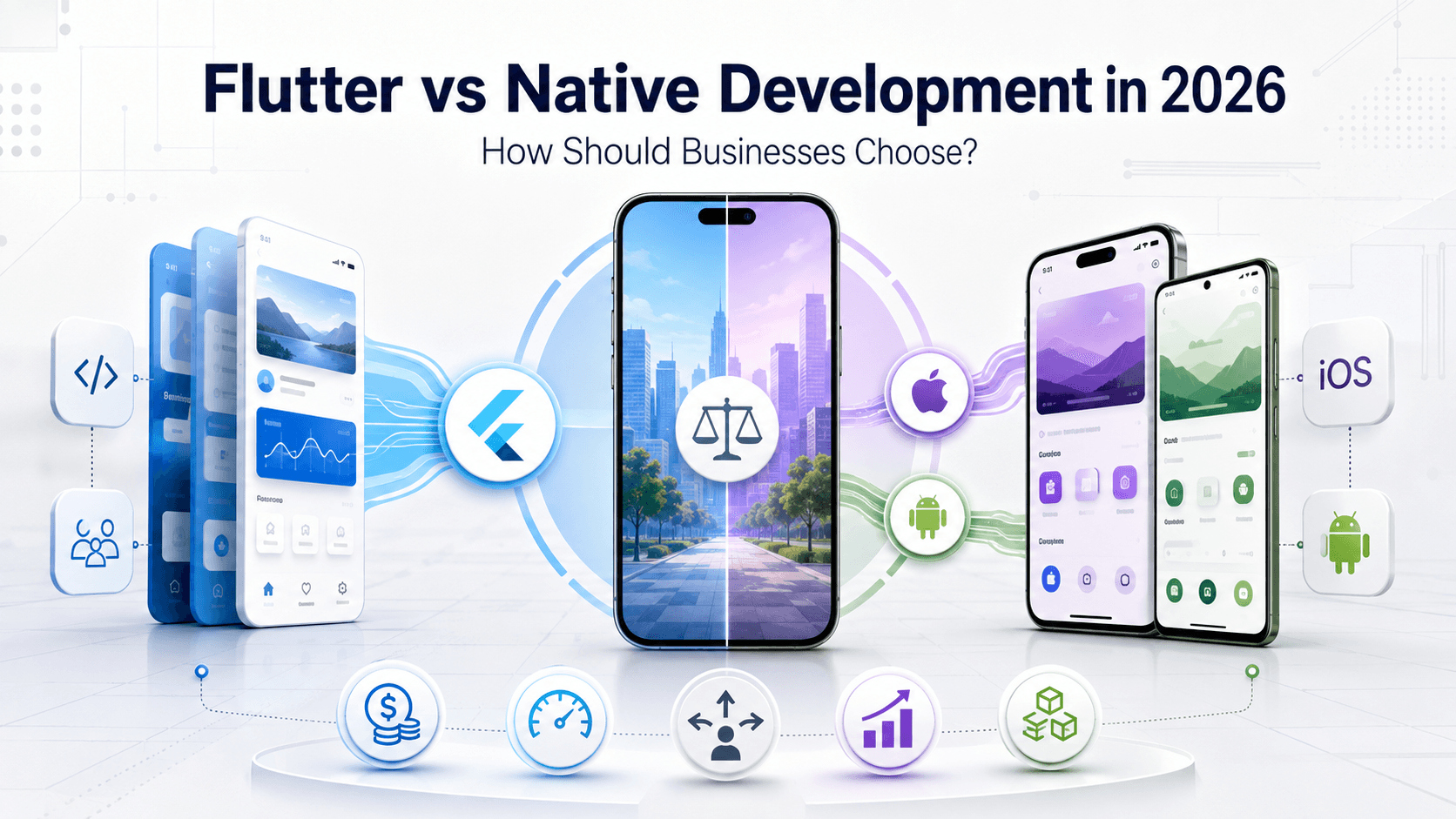
Flutter vs Native Development in 2026: How Should Businesses Choose?
A comprehensive, data-backed architectural guide comparing Flutter and Native (Swift & Kotlin) mobile development — covering cost, market share, performance, team velocity, real-world enterprise case studies, and a step-by-step decision framework.
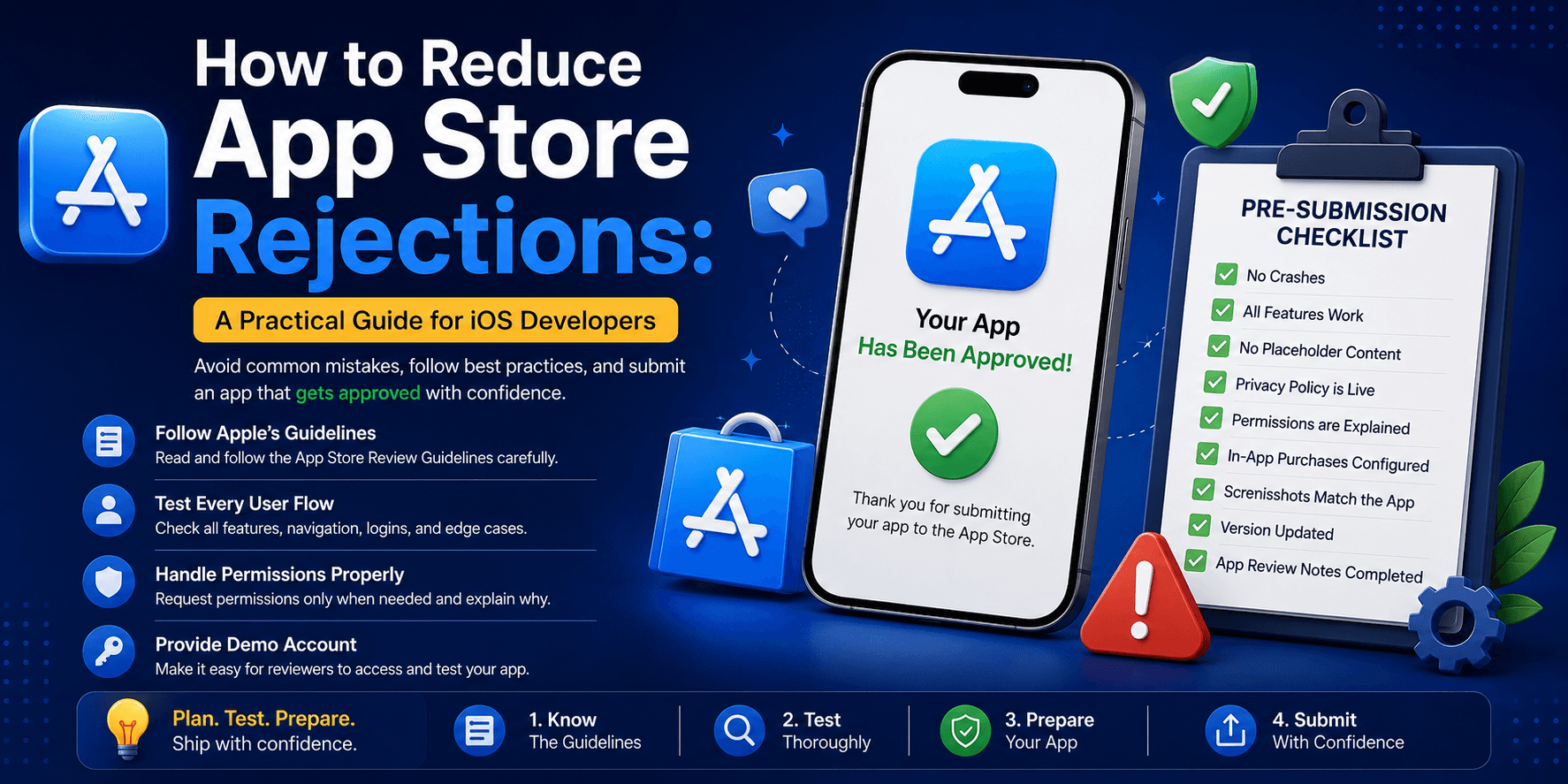
How to Reduce App Store Rejections: A Practical Guide for iOS Developers
A practical guide to reducing App Store rejections by following Apple's review guidelines, improving app quality, and avoiding common submission mistakes.

The Quiet Shift from Assisting AI to Agentic AI
We didn't just upgrade AI last week. We quietly gave it permission to act. Between March 11–23, 2026, AI stopped waiting for prompts and started anticipating intent — the era of Agentic AI has arrived.